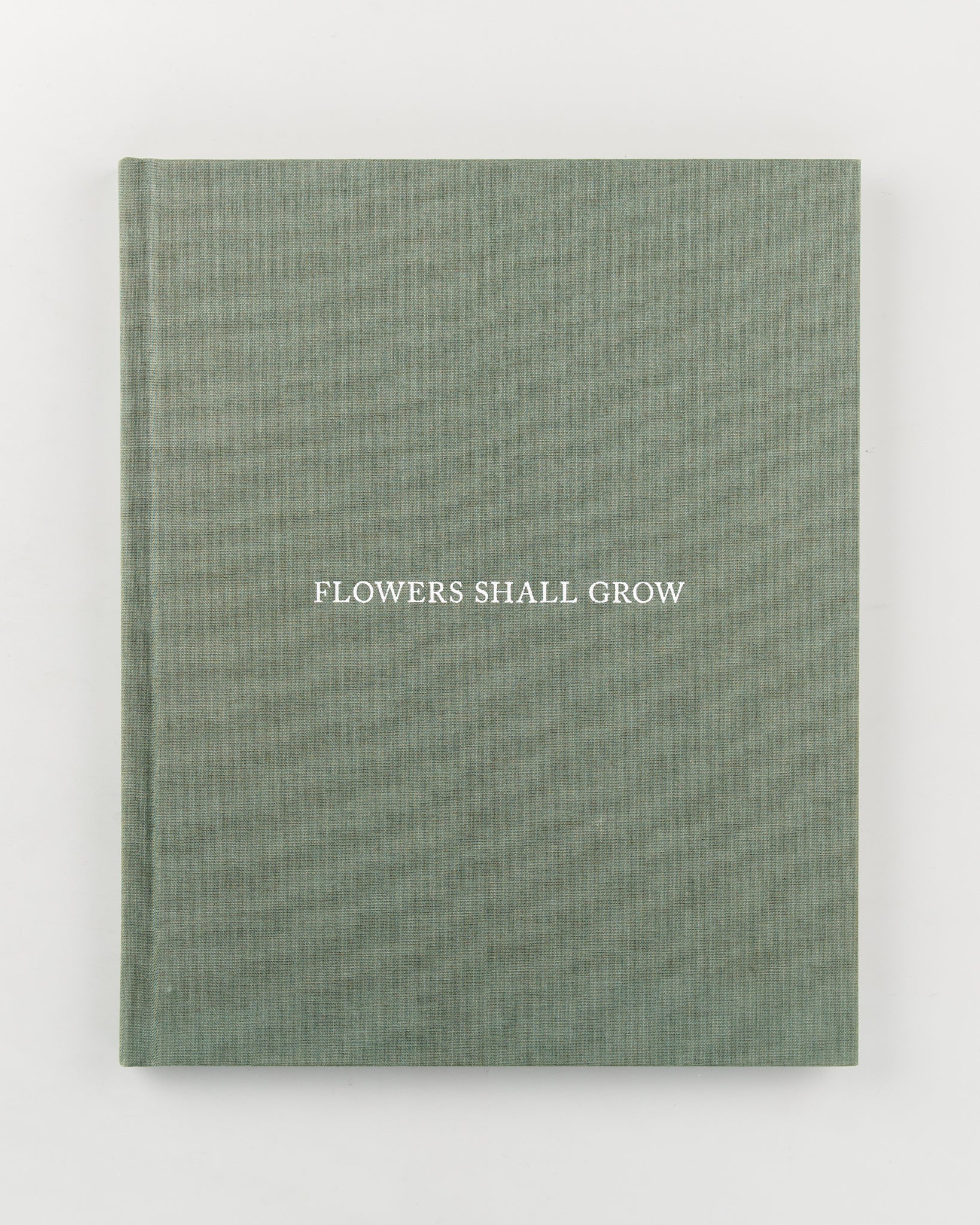
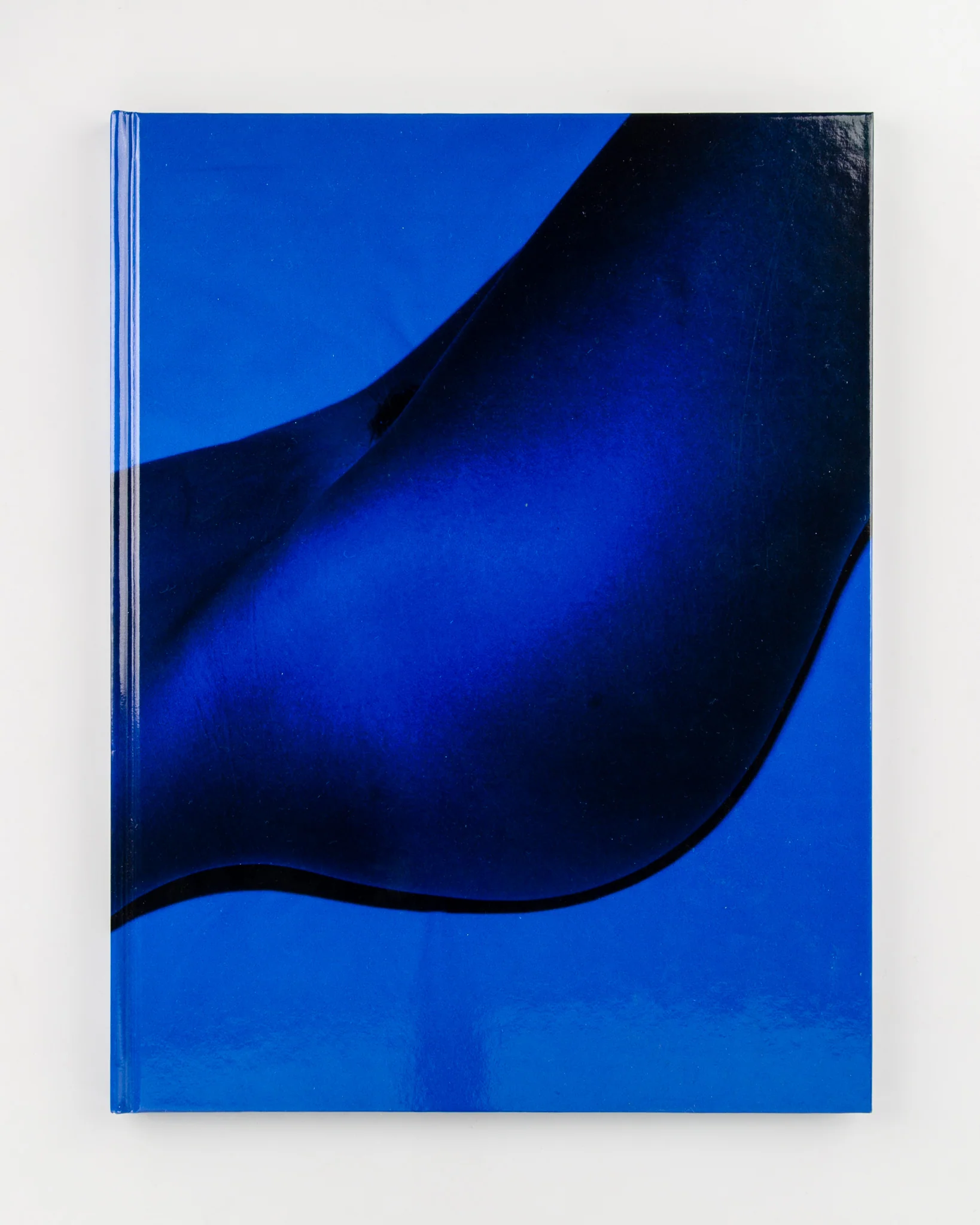
Fables of Faubus
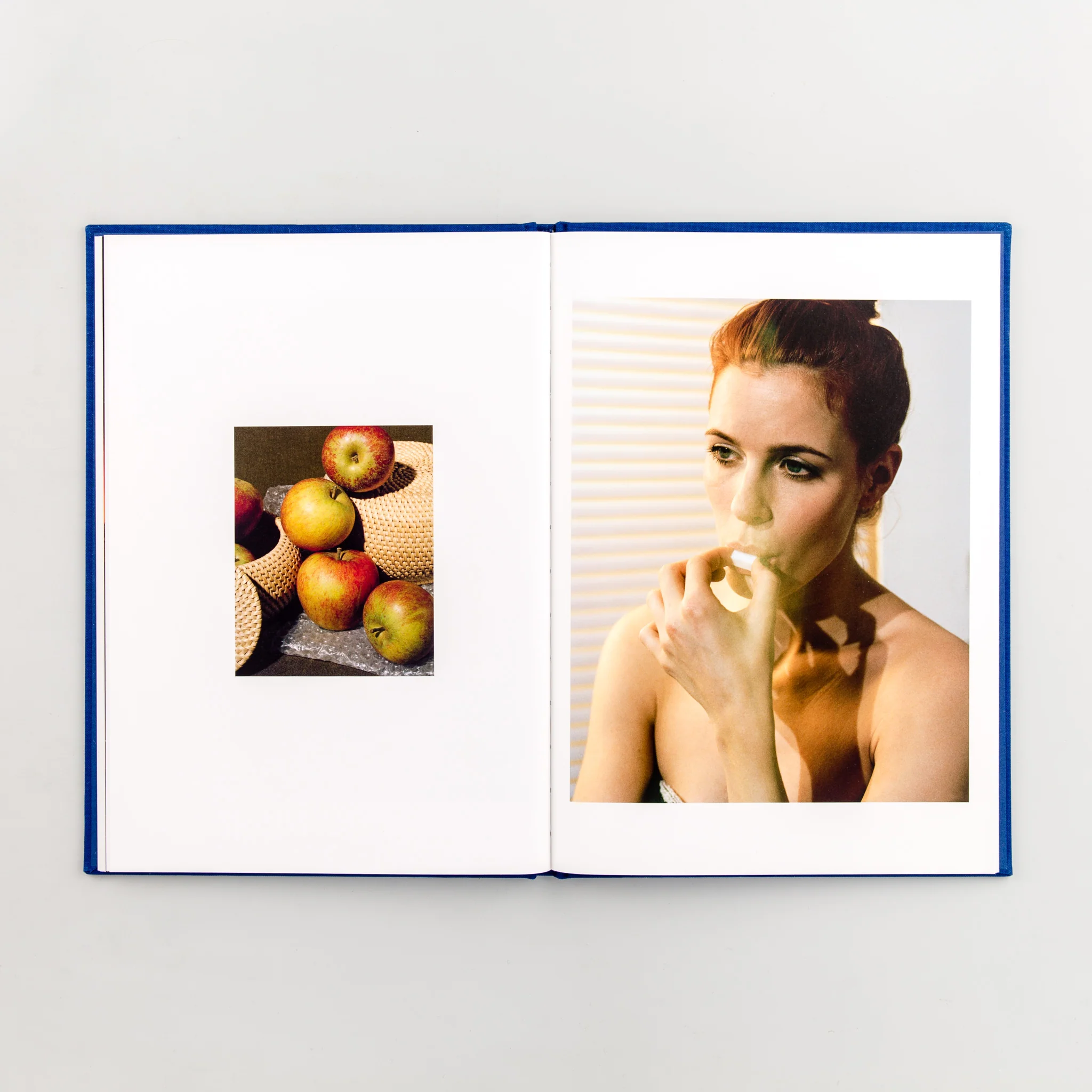
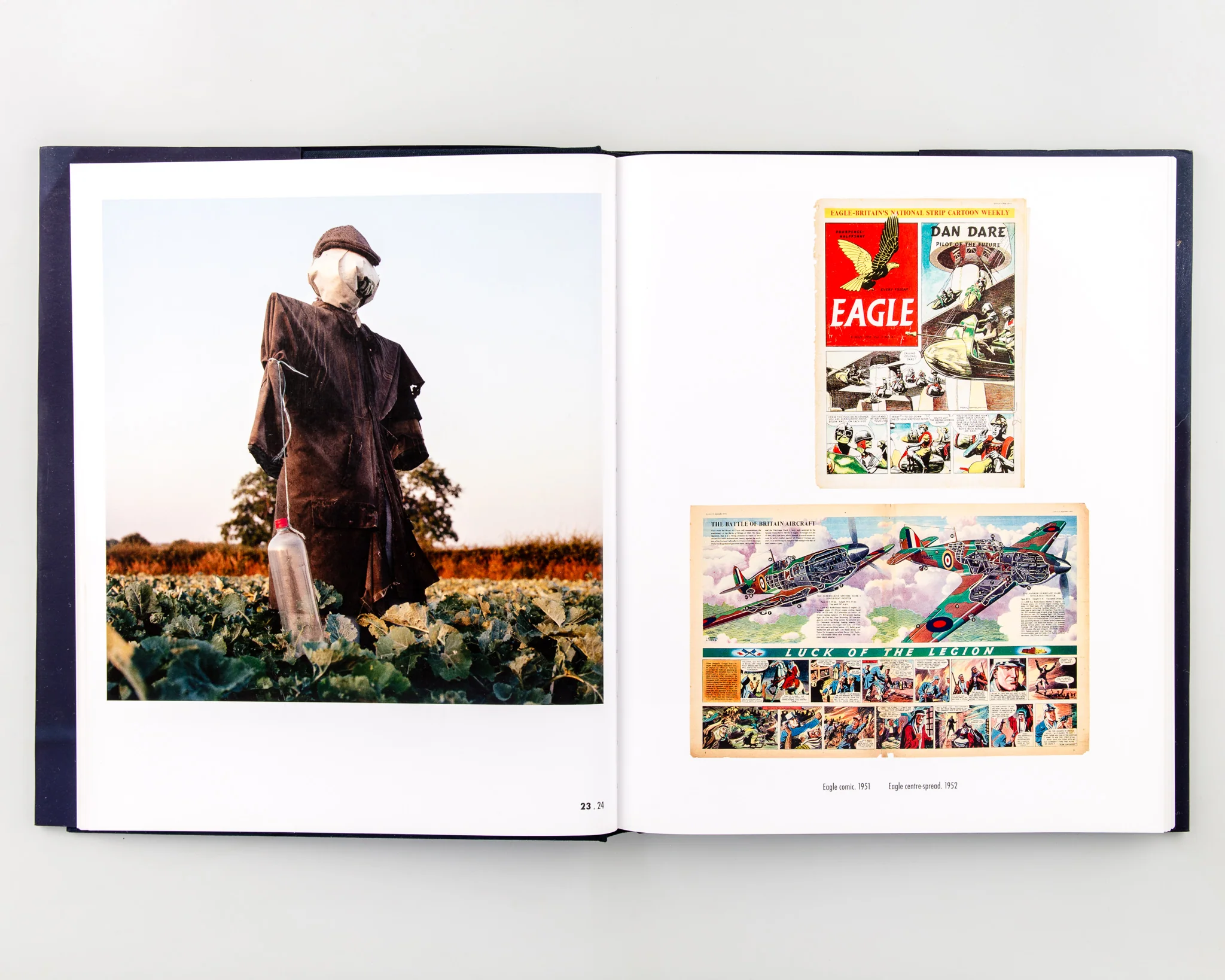
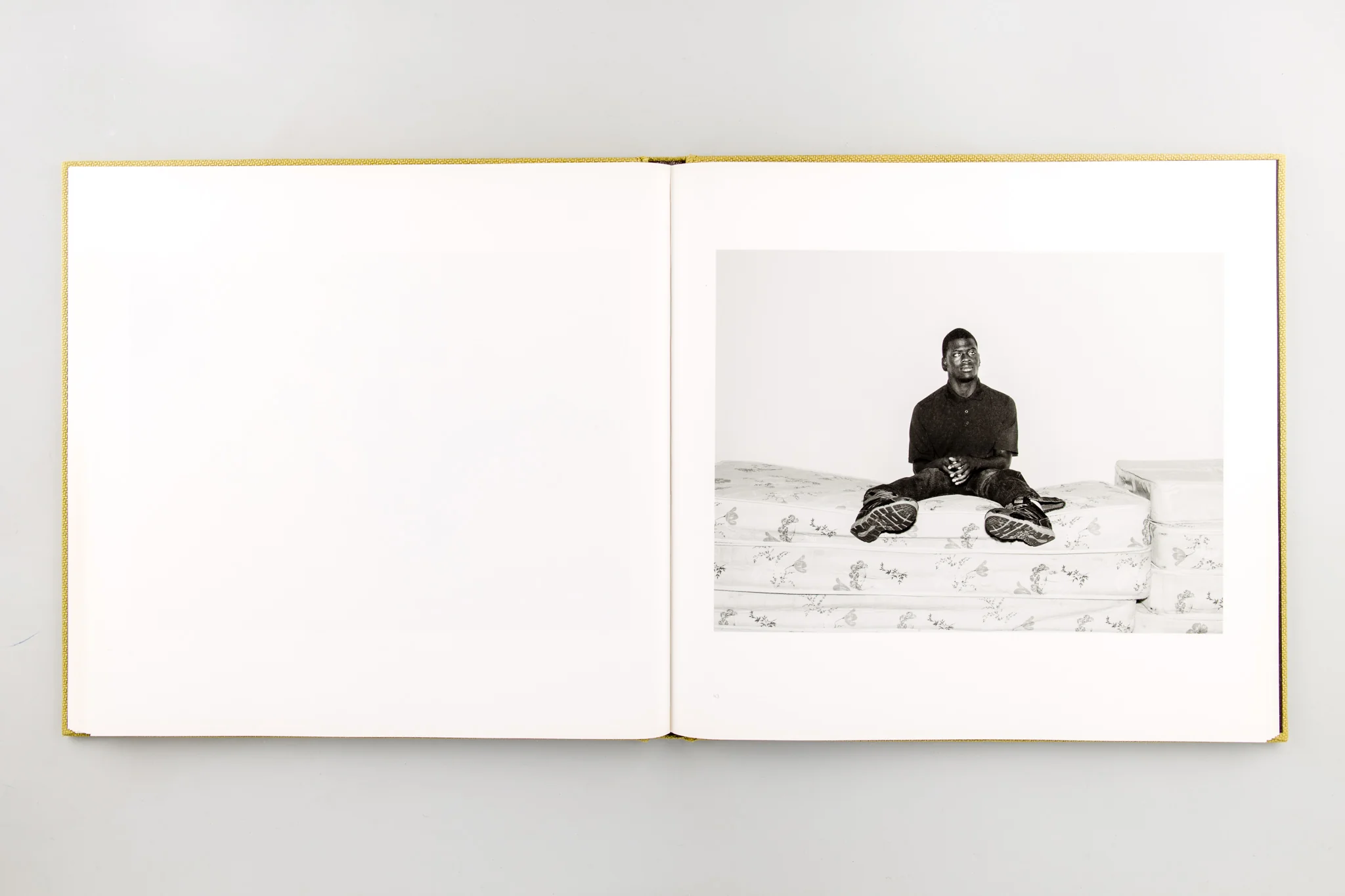
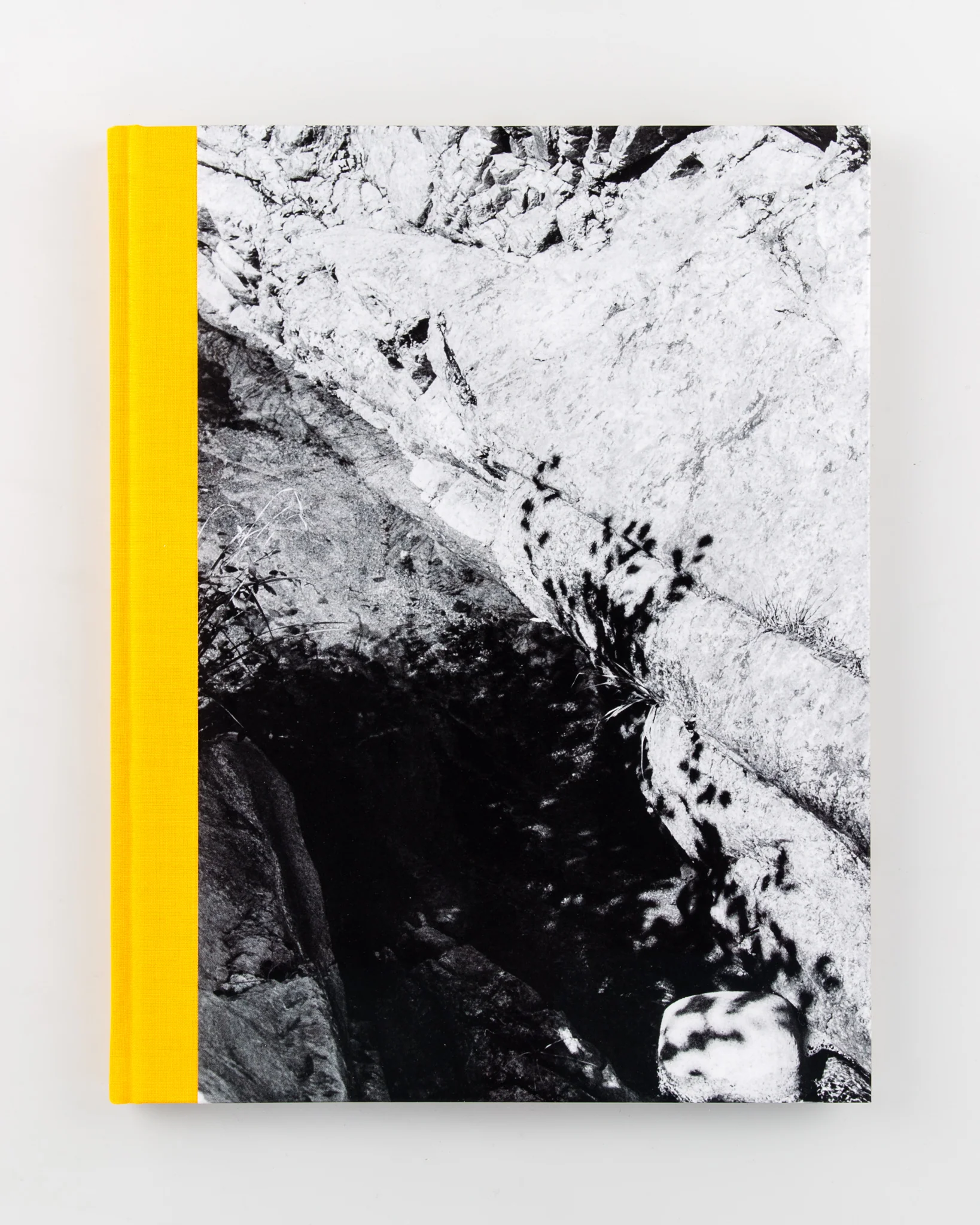
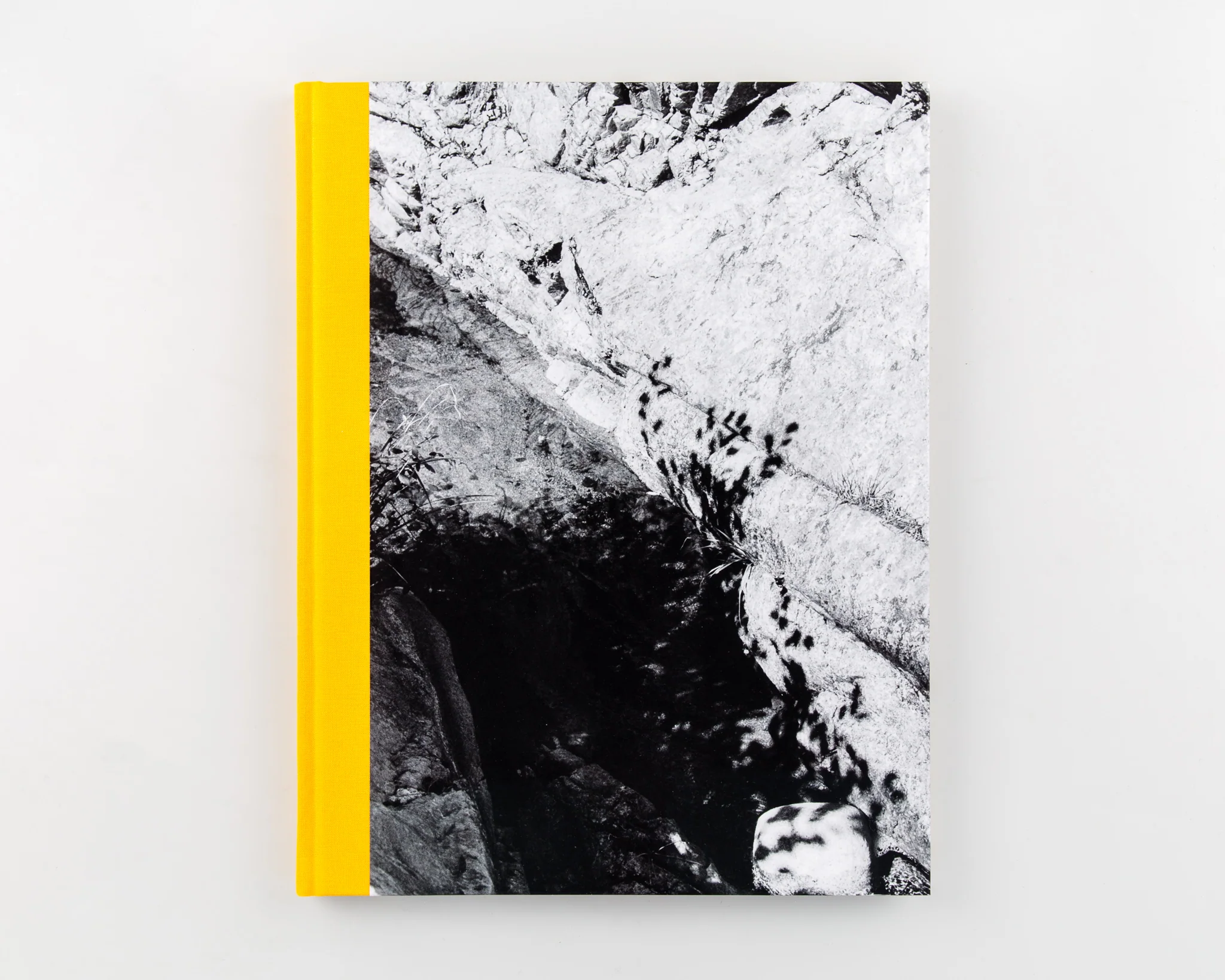
Fables of Faubus is a retrospective monograph of work by British documentary photographer Paul Reas, spanning 30 years and featuring previously unpublished works. Reas is part of the pioneering generation of photographers, that included Paul Graham, Martin Parr and Anna Fox, who revealed and critiqued British class and culture in the 1980s and 90s. Strongly influenced by his working-class upbringing in Bradford, he used humour and sharp observation to comment on a new corporate and commercial world epitomised by heritage industry sites, retail parks, and supermarkets.
The book opens with ‘Industry’ (1982), an early series of work made whilst Reas was studying at Newport College of Art and Design, Wales, focusing mainly Desmond’s mine and it’s all male workforce, near Pontypool in South Wales. This project was quickly followed by ‘Penrhys Estate’ (1984) – originally built to house coal miners who never came, the housing estate, 335 metres, above sea level in the Rhondda Valley, was used by the council as a ‘dumping ground’ for ‘problem’ families. To gain the community’s trust Reas established ‘The Free Studio’ in the estate’s shopping precinct which became his entrance point to the community.
Continuing to work in Wales, ‘The Valleys Project’ (1985) depicts the impact of the decline of steel and coal industries and the emergence of the ‘New Technology’ industries. The computer companies wanted to employ mainly women, whom they claimed were best suited to the intricate assembly of circuit boards, but they also wanted a workforce with no previous experience of work – hence had not been unionised – and this led to the employment of wives and daughters of redundant miners and steel workers.
‘I Can Help’ (1988), Reas’ first project in colour, acerbically charted the rise of consumer spending and the development of new shopping malls, situated on the edges of cities – the new cathedrals of consumption. Another view of Britain is presented in ‘Flogging a Dead Horse’(1993) shows the rise of the heritage industry – themed industrial museums and country houses offering a novel sense of place and identity to a country adrift from industry and empire. The past re-created by these tourist attractions glossed over contradictions to create a fictitious and romantic version of the past. The most recent work in the book ‘From a Distance’ (2012) documents the contemporary property development boom and changes facing the traditionally working class and culturally diverse neighbourhood of Elephant and Castle in South London.
The book’s title, ‘Fables of Faubus’ is drawn from a song of the same name by jazz composer Charles Mingus, concerning Orval Faubus, who was the Governor of Arkansas during the time of the US Civil Rights movement. History often presents Faubus as a dark force holding back social change – a similar such force is seen echoed through much of Reas’ work.
Paul Reas work is held in many private and public collections and his photographs have been widely exhibited including at Impressions Gallery, Bradford; The Photographers’ Gallery, London; Rencontres d’Arles, France; Foto International, Rotterdam; and Jeu de Paume, Paris. Through his significant commercial practice, Reas has worked for editorial clients such as The Sunday Times Magazine, Telegraph Magazine and Observer Magazine among many others. He has also created several award-winning advertising campaigns for clients including Volkswagen, Sony PlayStation, Honda Motor Company, Ltd. and Transport for London. He is currently the Course Leader of the Documentary Photography course at the University of South Wales.
Original: $47.00
-65%$47.00
$16.45More Images


Fables of Faubus
Fables of Faubus is a retrospective monograph of work by British documentary photographer Paul Reas, spanning 30 years and featuring previously unpublished works. Reas is part of the pioneering generation of photographers, that included Paul Graham, Martin Parr and Anna Fox, who revealed and critiqued British class and culture in the 1980s and 90s. Strongly influenced by his working-class upbringing in Bradford, he used humour and sharp observation to comment on a new corporate and commercial world epitomised by heritage industry sites, retail parks, and supermarkets.
The book opens with ‘Industry’ (1982), an early series of work made whilst Reas was studying at Newport College of Art and Design, Wales, focusing mainly Desmond’s mine and it’s all male workforce, near Pontypool in South Wales. This project was quickly followed by ‘Penrhys Estate’ (1984) – originally built to house coal miners who never came, the housing estate, 335 metres, above sea level in the Rhondda Valley, was used by the council as a ‘dumping ground’ for ‘problem’ families. To gain the community’s trust Reas established ‘The Free Studio’ in the estate’s shopping precinct which became his entrance point to the community.
Continuing to work in Wales, ‘The Valleys Project’ (1985) depicts the impact of the decline of steel and coal industries and the emergence of the ‘New Technology’ industries. The computer companies wanted to employ mainly women, whom they claimed were best suited to the intricate assembly of circuit boards, but they also wanted a workforce with no previous experience of work – hence had not been unionised – and this led to the employment of wives and daughters of redundant miners and steel workers.
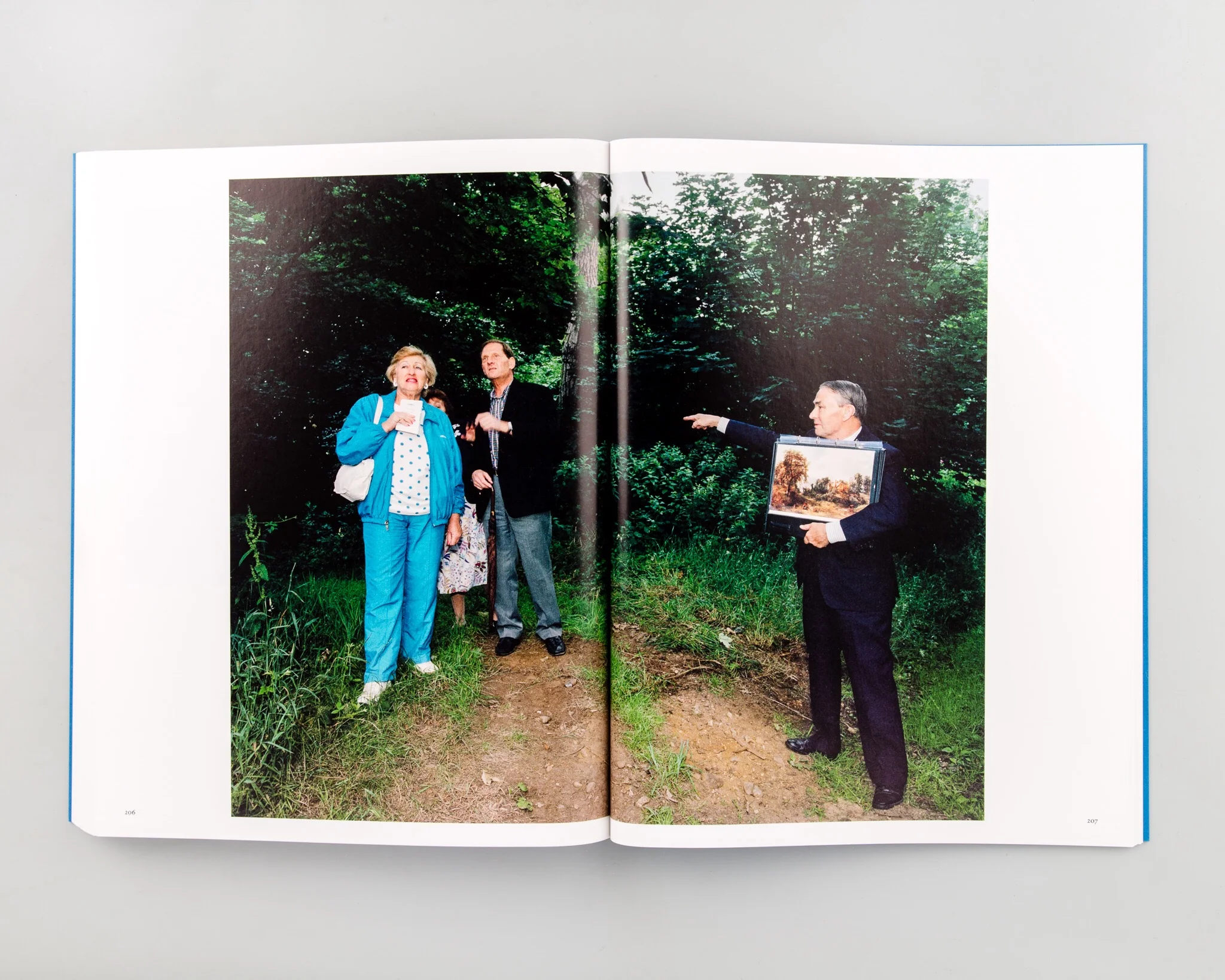
‘I Can Help’ (1988), Reas’ first project in colour, acerbically charted the rise of consumer spending and the development of new shopping malls, situated on the edges of cities – the new cathedrals of consumption. Another view of Britain is presented in ‘Flogging a Dead Horse’(1993) shows the rise of the heritage industry – themed industrial museums and country houses offering a novel sense of place and identity to a country adrift from industry and empire. The past re-created by these tourist attractions glossed over contradictions to create a fictitious and romantic version of the past. The most recent work in the book ‘From a Distance’ (2012) documents the contemporary property development boom and changes facing the traditionally working class and culturally diverse neighbourhood of Elephant and Castle in South London.
The book’s title, ‘Fables of Faubus’ is drawn from a song of the same name by jazz composer Charles Mingus, concerning Orval Faubus, who was the Governor of Arkansas during the time of the US Civil Rights movement. History often presents Faubus as a dark force holding back social change – a similar such force is seen echoed through much of Reas’ work.
Paul Reas work is held in many private and public collections and his photographs have been widely exhibited including at Impressions Gallery, Bradford; The Photographers’ Gallery, London; Rencontres d’Arles, France; Foto International, Rotterdam; and Jeu de Paume, Paris. Through his significant commercial practice, Reas has worked for editorial clients such as The Sunday Times Magazine, Telegraph Magazine and Observer Magazine among many others. He has also created several award-winning advertising campaigns for clients including Volkswagen, Sony PlayStation, Honda Motor Company, Ltd. and Transport for London. He is currently the Course Leader of the Documentary Photography course at the University of South Wales.
Product Information
Product Information
Shipping & Returns
Shipping & Returns
Description
Fables of Faubus is a retrospective monograph of work by British documentary photographer Paul Reas, spanning 30 years and featuring previously unpublished works. Reas is part of the pioneering generation of photographers, that included Paul Graham, Martin Parr and Anna Fox, who revealed and critiqued British class and culture in the 1980s and 90s. Strongly influenced by his working-class upbringing in Bradford, he used humour and sharp observation to comment on a new corporate and commercial world epitomised by heritage industry sites, retail parks, and supermarkets.
The book opens with ‘Industry’ (1982), an early series of work made whilst Reas was studying at Newport College of Art and Design, Wales, focusing mainly Desmond’s mine and it’s all male workforce, near Pontypool in South Wales. This project was quickly followed by ‘Penrhys Estate’ (1984) – originally built to house coal miners who never came, the housing estate, 335 metres, above sea level in the Rhondda Valley, was used by the council as a ‘dumping ground’ for ‘problem’ families. To gain the community’s trust Reas established ‘The Free Studio’ in the estate’s shopping precinct which became his entrance point to the community.
Continuing to work in Wales, ‘The Valleys Project’ (1985) depicts the impact of the decline of steel and coal industries and the emergence of the ‘New Technology’ industries. The computer companies wanted to employ mainly women, whom they claimed were best suited to the intricate assembly of circuit boards, but they also wanted a workforce with no previous experience of work – hence had not been unionised – and this led to the employment of wives and daughters of redundant miners and steel workers.
‘I Can Help’ (1988), Reas’ first project in colour, acerbically charted the rise of consumer spending and the development of new shopping malls, situated on the edges of cities – the new cathedrals of consumption. Another view of Britain is presented in ‘Flogging a Dead Horse’(1993) shows the rise of the heritage industry – themed industrial museums and country houses offering a novel sense of place and identity to a country adrift from industry and empire. The past re-created by these tourist attractions glossed over contradictions to create a fictitious and romantic version of the past. The most recent work in the book ‘From a Distance’ (2012) documents the contemporary property development boom and changes facing the traditionally working class and culturally diverse neighbourhood of Elephant and Castle in South London.
The book’s title, ‘Fables of Faubus’ is drawn from a song of the same name by jazz composer Charles Mingus, concerning Orval Faubus, who was the Governor of Arkansas during the time of the US Civil Rights movement. History often presents Faubus as a dark force holding back social change – a similar such force is seen echoed through much of Reas’ work.
Paul Reas work is held in many private and public collections and his photographs have been widely exhibited including at Impressions Gallery, Bradford; The Photographers’ Gallery, London; Rencontres d’Arles, France; Foto International, Rotterdam; and Jeu de Paume, Paris. Through his significant commercial practice, Reas has worked for editorial clients such as The Sunday Times Magazine, Telegraph Magazine and Observer Magazine among many others. He has also created several award-winning advertising campaigns for clients including Volkswagen, Sony PlayStation, Honda Motor Company, Ltd. and Transport for London. He is currently the Course Leader of the Documentary Photography course at the University of South Wales.